





A century of education at Usher High School
Usher High School, also known as Usher Institute, Usher Girls High School, and Usher Secondary School, is Usher High School near Figtree in Matabeleland South. What began as a Salvation Army dream to bring education to the people of southern Zimbabwe has grown into one of the region's most respected boarding schools.
The history of Usher Institute
A faithful journey from pioneer mission to centre of academic excellence at Usher High School.
The Usher Institute was established by the Salvation Army at Leighwoods Farm near Figtree, Southern Rhodesia, in 1933 by then Staff Captain Salhus and his wife. Its origins reach further back to pioneer Salvationist James Henry Usher and his wife Jessie, who informally began teaching Africans living in the area starting in 1906. The school was later named Usher Institute in their honour.
To the south of Zimbabwe, then known as Rhodesia, two Salvationists had a dream: to bring education into the lives of the African people who lived in that area. In partnership with his wife, James Henry Usher set out to teach the inhabitants of the region. Though there was no properly organised programme until the arrival of Major Salhus in 1933, James and Jessie founded the work that would become Usher High School. When a more formal plan of teaching began in 1933, the first class consisted of five boys and one girl.
By 1935, enrolment had risen to thirty-four. A new classroom block was opened in 1939 with an enrolment of 101 students. Boys were taught practical subjects such as metalwork, gardening, animal husbandry, and carpentry, while girls learned needlework, cookery, childcare, and domestic sciences. The school continued to grow in size and prestige. To perpetuate the names of the Salvationists whose example deserved to be remembered, the institute was named Usher, and one of the girls' dormitories was named after James' wife Jessie: Jessie Stuart.
In the mid-1950s, Captain and Mrs Morton came to Usher Institute from Australia. Captain Morton was made principal, and his wife established a post-Standard Six course in Domestic Sciences in 1956. They encountered difficulties in setting up the programme, yet persevered, and the Institute began to attract pupils from Mashonaland and Matabeleland. Major Brigadier Lavinia Benson was appointed Headmaster of the first Boys Secondary School and was later transferred to Mazowe. She commenced the school and became principal of Usher Secondary, which had developed through successive years of high examination pass rates under her leadership.
Eva Burrows succeeded her in 1966, and her term ended in 1970. She would later become the 13th General of the Salvation Army (1986 to 1993). During her tenure, Usher became a secondary boarding school for girls. The school is presently known as Usher Girls High School or Usher Secondary School, and today welcomes both girls and pioneer boys in boarding and day school.
Usher Institute witnessed the tragic murder of two women Salvation Army missionaries, Charon F. Swindells (age 25) and Diane B. Thompson (age 28), by guerrilla fighters on 7 June 1978 during the Bush War. Two other missionaries were injured. Their deaths led to the school's closure and the Salvation Army withdrawing from the World Council of Churches. At closure, Usher had 267 secondary boarding students and 260 primary students, of whom 60 were boarders.
The school reopened in March 1980 with 240 students. Many applicants sought places, but only those with a solid background in English, Mathematics, Shona, and Ndebele were accepted. There were altogether 320 students from Form 1 to Form 4. Years of rebuilding followed, and in 2000 the first A-Level block was built, with the first A-Level class in 2001.
The history of Usher High is marked by distinguished visitors and leaders, including Vice-President Joyce Mujuru, who opened the Japan Usher Library in 2000, as well as Vice-President Joseph Msika and historian Phathisa Nyathi. Located approximately 50 km from Bulawayo, Usher is well known for producing strong results at both O-Level and A-Level and has been rated among the best schools in Matabeleland South.
The school is what it is today because of notable Salvation Army officers and leaders who gave their lives to the work, among them Colonel Phillip Rive, Colonel Jean Culdwelly, Brigadier Rosemary Gardener, Commissioner Lyster, and Major and Mrs Stan Morton, together with every teacher, officer, and family who has served at Usher High School since 1906.
Timeline of Usher
Key moments in the life of Usher Institute and Usher High School from pioneer mission to the present day.
Pioneer teaching begins
James Henry Usher and his wife Jessie begin informally teaching Africans living near Leighwoods/Usher High School near Figtree.
Usher Institute established
Staff Captain Salhus and his wife formally establish the Salvation Army Usher Institute. First class: five boys and one girl.
Growing enrolment
Student numbers rise to thirty-four as the institute gains recognition across the region.
New classroom block
A new classroom block opens with 101 students. Boys study metalwork, gardening, animal husbandry, and carpentry; girls study needlework, cookery, childcare, and domestic sciences.
Domestic Sciences course
Captain and Mrs Morton arrive from Australia. Mrs Morton establishes a post-Standard Six course in Domestic Sciences. Pupils come from Mashonaland and Matabeleland.
Boys Secondary & girls boarding
Major Brigadier Lavinia Benson leads the first Boys Secondary School. Eva Burrows serves as principal from 1966 to 1970; Usher becomes a girls' secondary boarding school.
Tragedy and closure
Missionaries Charon F. Swindells and Diane B. Thompson are killed on 7 June during the Bush War. The school closes; 267 secondary boarders and 260 primary pupils had been enrolled.
School reopens
Usher reopens in March with 240 students, growing to 320 from Form 1 to Form 4 as families return to the restored campus.
Library & A-Level block
Vice-President Joyce Mujuru opens the Japan Usher Library. The first A-Level block is built, with the first A-Level class following in 2001.
A-Level classes begin
The first A-Level cohort is enrolled, extending Usher's academic pathway beyond O-Level.
Pioneer boys welcomed
Usher High School enrolls its first cohort of boys as boarders, opening a new chapter while honouring the school's heritage and standards.
Faith, service, and education together
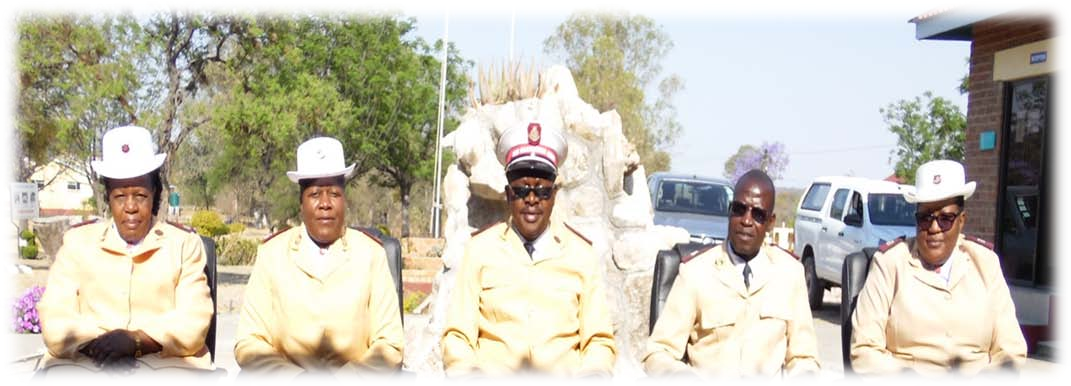
Usher High School is a Salvation Army institution. Our governance, ethos, and daily life are shaped by the Army's commitment to preaching the gospel of Jesus Christ and meeting human needs without discrimination. Officers and staff work alongside qualified teachers to nurture learners spiritually as well as academically.
Chapel worship, corps partnership, and a culture of practical service are woven into school life, from community outreach to the care shown in dormitories and classrooms. Families who choose Usher choose a school where Christian conviction is lived, not merely taught, and where young people are encouraged to grow in character as they prepare for the world beyond Usher High School.
Christian values at the heart of Usher
Our values guide how we teach, correct, encourage, and care for every learner on campus.
Faith
Rooted in God and Salvation Army principles, faith shapes our worship, our decisions, and our hope for each child's future.
Discipline
High standards, clear expectations, and self-control prepare learners for academic success and responsible adulthood.
Service
We give ourselves to others, the school, the corps, and the wider community, following the example of Christ who came to serve.
Respect
Every person is valued. We honour staff, learners, families, and visitors with courtesy, dignity, and fairness.
Empathy
We seek to understand one another's circumstances and respond with patience, especially in a close boarding community.
Kindness
Small acts of generosity and encouragement build the trust that makes Usher a safe place to learn and grow.
Rigorous learning on the ZIMSEC pathway
Usher High School delivers the Zimbabwe Schools Examination Council (ZIMSEC) curriculum from Form 1 through Lower and Upper Sixth. Subject specialists lead seven academic departments, languages, humanities, commercials, sciences, mathematics, practical subjects, and vocational studies, ensuring learners are well prepared for O-Level and A-Level examinations.
Our recent results reflect sustained effort across the school: strong pass rates at public examinations, dedicated science laboratories, a well-stocked library, and a teaching staff committed to pushing every learner toward their best. We balance examination preparation with critical thinking, communication, and the habits of study that serve students at university, in vocational training, and in professional life.
Boarding life and holistic development
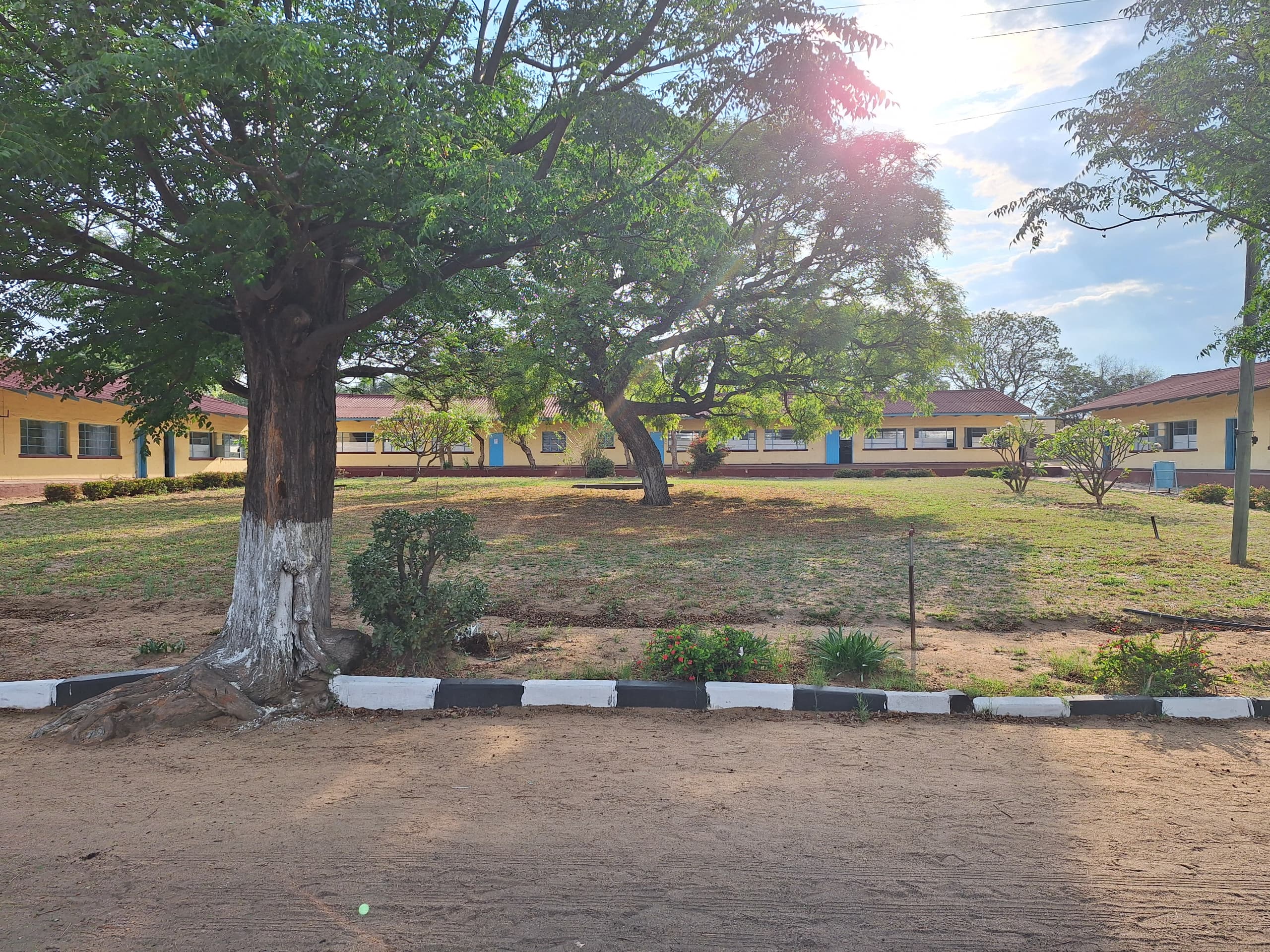
Living at Usher High School is more than accommodation, it is formation in community, responsibility, and practical skill.
Supervised boarding
Safe, structured dormitory life with matrons, house staff, and clear routines that support study, rest, and personal growth.
Sport, clubs & leadership
SASA sport, debate, Interact, choir, STEM activities, and student leadership programmes build confidence beyond the classroom.
Practical learning
Poultry, horticulture, and farm-based projects connect learners to the land and to the practical heritage of the Usher Institute.
Pioneer boys, milestone 2025
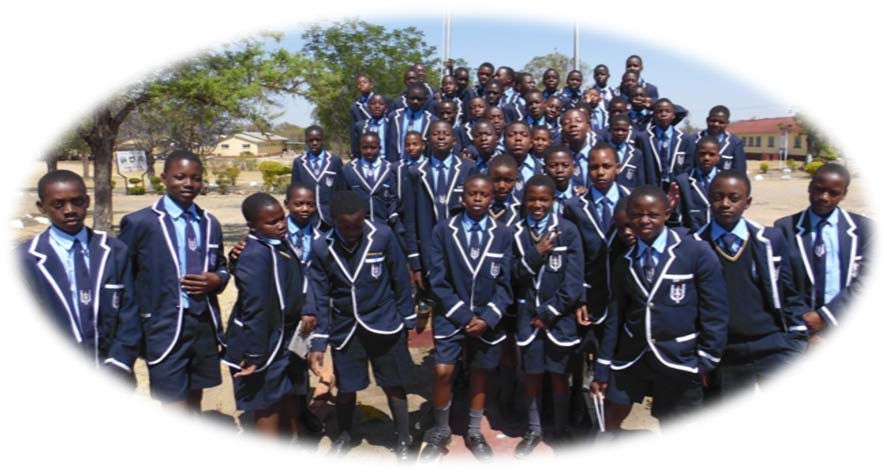
For most of its history, Usher High School has been a girls' boarding school, a tradition that shaped dormitory culture, leadership pathways, and the identity of generations of Usherians. In 2025, the school welcomed its first cohort of boys as pioneer enrollees, marking a historic step in the school's evolution while honouring the standards that define Usher.
This milestone reflects careful planning by school leadership, Salvation Army officers, and the parent community. Boys and girls now learn, worship, and grow together at Usher High School, united by the same vision of excellence and the same Christian values. We celebrate the pioneers who have joined us and the families who trust Usher with their sons and daughters alike.
A message from the Head
Welcome to Usher High School, a place where education meets opportunity, faith guides our journey, and every child is cherished. As Head of this institution, I am honoured to lead a community that has served Zimbabwe for more than a century from Usher High School.
We believe in the power of education to transform lives. Our staff work tirelessly to support learners in the classroom, in the dormitories, and on the sports field. Whether preparing for ZIMSEC examinations, developing practical skills, or growing in spiritual maturity, every Usherian is known by name and challenged to reach their potential.
I invite you to visit us, speak with our team, and see for yourself what makes Usher a centre of excellence in quality education. We look forward to partnering with your family.
Learn more about Usher, speak with our team
Whether you are exploring admissions, boarding, or school leadership, we welcome your questions and look forward to hearing from you.